
The Ultimate Guide to Korean BBQ (K-BBQ): Why Foreigners Are Obsessed & How to Enjoy It Like a Local
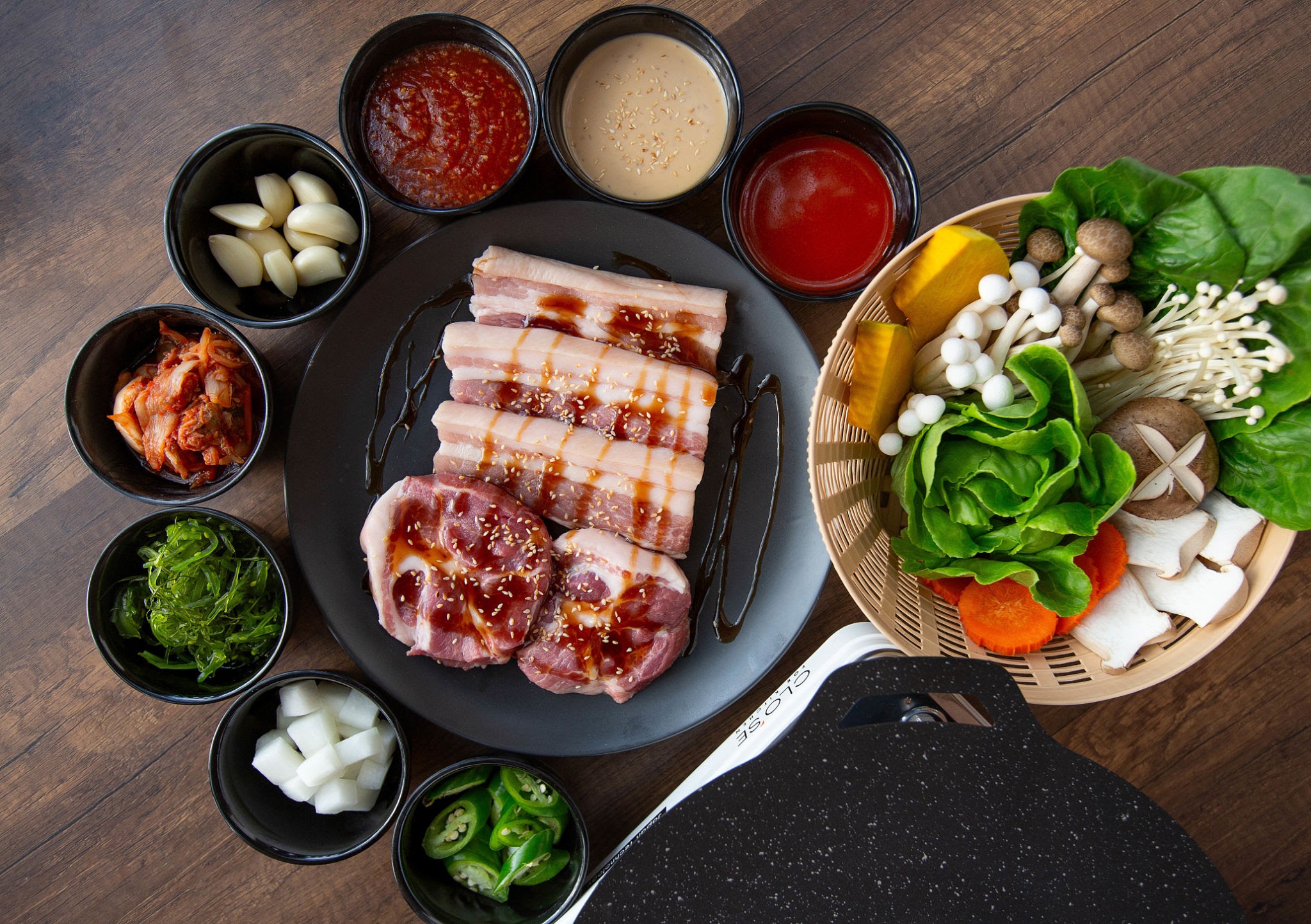
If there’s one culinary experience that tops every traveler’s South Korea bucket list, it is undoubtedly Korean BBQ (고깃집 / Go-git-집).
Unlike traditional Western steak houses where cooked food arrives on a plate, K-BBQ turns dining into an interactive, sizzle-filled, social party. Sitting around a table with a built-in grill, surrounded by endless small side dishes and cold drinks, is the ultimate immersion into modern Korean food culture.
Here is why foreign visitors fall in love with Korean BBQ and the key cultural elements that make it so unforgettable!
1. The Stars of the Table: Pork Belly vs. Marinated Beef
When ordering at a Korean BBQ restaurant, the menu generally falls into two primary categories:
- Samgyeopsal (삼겹살 – Thick-Cut Pork Belly): Unmarinated, juicy, and crispy when grilled. It is the most popular everyday comfort food in Korea, best paired with cold beer or Soju (Somaek).
- Galbi (갈비 – Marinated Ribs): Tender beef or pork ribs marinated in a savory-sweet blend of soy sauce, garlic, sesame oil, and fruit juice. The sugars caramelize over open charcoal, creating an irresistible smoky flavor.
2. Why Foreigners Love the K-BBQ Experience
What makes Korean BBQ so universally loved by international tourists? It’s far more than just the taste:
1. Interactive DIY Cooking (or VIP Table Service)
Cooking your own meat over table-top grills using stainless steel tongs and food scissors (Gawi) is a novelty for most travelers. At premium restaurants, attentive staff will even grill and slice the meat for you at your table!
2. The Endless World of “Banchan” & Free Refills
The table instantly fills up with an array of complimentary side dishes (Banchan): kimchi, pickled radishes, spicy green onion salad (Pazjeori), savory steamed egg (Gyeran-jjim), and soybean paste stew (Doenjang-찌개). The best part? In Korea, banchan refills are virtually unlimited and free!
3. The Magic of “Ssam” (The Lettuce Wrap)
Koreans don’t just eat meat plain; they build a Ssam (쌈)! You take a crisp lettuce leaf or sesame leaf, place a grilled piece of meat, add a dab of savory Ssamjang paste, grilled garlic, and kimchi, wrap it up into a bite-sized package, and pop the whole thing in your mouth at once.
4. The Finish Line: K-Dessert (Fried Rice or Cold Noodles)
The meal doesn’t end when the meat is gone! Koreans famously finish their BBQ session with Bokkumbap (볶음밥) — kimchi fried rice cooked directly on the leftover grill juices — or a bowl of icy Naengmyeon (냉면) cold noodles to cleanse the palate.
Recommended YouTube Videos: K-BBQ Guides for Beginners
Want to see how foreign travelers react to Korean BBQ or learn the perfect etiquette before visiting? Check out these entertaining YouTube videos:
- 🎥 Korean Englishman (영국남자): Foreigners Try Authentic Charcoal Korean BBQ — Watch overseas guests experience high-end Korean beef (Hanwoo) and charcoal pork ribs for the first time.
- 🎥 Eater: How to Eat Korean BBQ Like a Native — A practical beginner’s guide detailing ordering tips, ssam combinations, and table etiquette.
- 🎥 Seoul Travel Vlog: Ultimate Seoul K-BBQ Night Street Tour — Take a visual tour through bustling BBQ streets in Hongdae and Euljiro.
Quick Tips for First-Time Visitors
- Minimum Order Rules: Most K-BBQ places require an initial order of at least two servings of meat (or one serving per person).
- Exhaust Hoods: Pull the hanging metal ventilation tube close to the grill to keep smoke out of your face and off your clothes.
- Chair Storage: Most K-BBQ restaurant chairs open up! Lift the seat cushion to store your jacket and bag inside to protect them from lingering smoke.
Final Thoughts
Korean BBQ isn’t just dinner — it’s an event. The sizzle of fat on a hot grill, the clinking of glasses, and the burst of fresh ingredients wrapped in a leaf create memories that last long after your trip ends.
Sizzle up your Korea trip and grab a seat at a K-BBQ table!